Water Extraction in Leander, TX
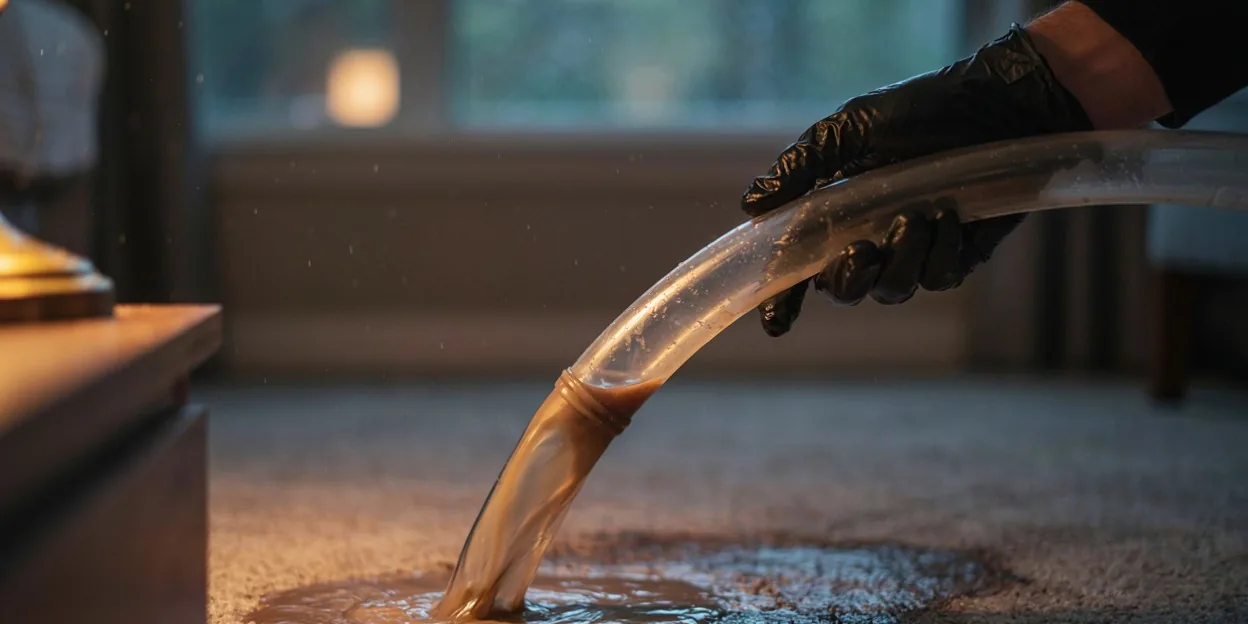
The braided line under the upstairs bathroom sink let go at seven in the morning, and nobody noticed until the kids came down for school and the kitchen light fixture was dripping. The upstairs hall carpet is dark to the top of the stairs, the bathroom tile has a quarter inch of water on it, and the kitchen ceiling has a bulge the size of a dinner plate. This site routes your call to an independent local provider who extracts water from homes in Leander and across the Hill Country side of Williamson County.
Getting the bulk water out of a two-story slab house
Extraction is the part of the job that has to happen first, because every hour the water sits it soaks deeper into carpet pad, the upstairs subfloor, and the bottom of the walls. The crew brings a truck-mounted or portable extractor and pulls the standing water off the tile, the carpet, and the slab downstairs. On carpet they use a weighted tool that presses the pad through the fibers, which pulls out far more than a shop vacuum will.
Then they meter everything the water could have reached: the subfloor under the hall, the bottom of the walls on both floors, the kitchen ceiling, and the cabinet toe kicks below the sink. Those readings are the map for the drying that comes next.
Ten things to do before the extractor arrives
Close the supply valve under the sink, or the house valve at the curb if you cannot find the source. Flip the breaker for the kitchen if the fixture is dripping. Move rugs, boxes, and anything cardboard off the wet floor. Put a trash can under the bulge in the ceiling and stay out from under it. Open cabinet doors. Photograph each room before you move anything and again after. Do not poke the ceiling. Do not run the air handler if the return is near the wet wall. Write down when you found it. Then call.
Carpet, engineered wood, and what a Leander house keeps
Clean water from a supply line is the gentlest case. Carpet often dries once the pad is pulled. Subfloor and framing usually dry in place. Drywall that meters wet at the base is cut a foot or two up and the insulation behind it comes out, because it will not dry inside the wall. Engineered wood and laminate almost always come out; the core swells and does not go back. The kitchen ceiling gets opened at the low spot so the cavity can dry and so it does not fall on its own. When the bulk water is gone, structural drying takes over.
Water from a toilet backup, a washing machine drain, or a creek is a different category, and the crew treats it that way. Tell us the source when you call so the provider shows up with the right gear.
Where the water goes in a Crystal Falls or Bryson floor plan
Most Leander houses built since 2005 put two or three bathrooms and the laundry upstairs, over the kitchen and the living room. A supply line, a toilet, or a washer hose that fails up there drops through the floor system into the ceiling below, and the ceiling drywall holds it like a tray until it finds a seam or a light can. That is why the crew meters the downstairs walls even when the leak was upstairs.
Attic water heaters are the other Leander source. A tank that fails in the attic is water heater leak cleanup, and it usually soaks two ceilings and a closet on the way down. A line that split in the February 2021 freeze is burst pipe water damage, with extraction as the first step.
A sudden failure like a burst hose is often covered under a Texas homeowners policy; a fitting that dripped inside a wall for months usually is not. This site has not seen your policy and will not guess at what it pays. Ask the crew to log readings and photos from the first visit, because those numbers are what the adjuster works from.
Call while the floor is still wet
Say which floor is wet, where it came from, and whether it has stopped. Mention if it is dripping through a ceiling. Keep the address and a number we can call back handy. Call (737) 317-2602.